Cave Creek, AZ 85331
span widget
span widget

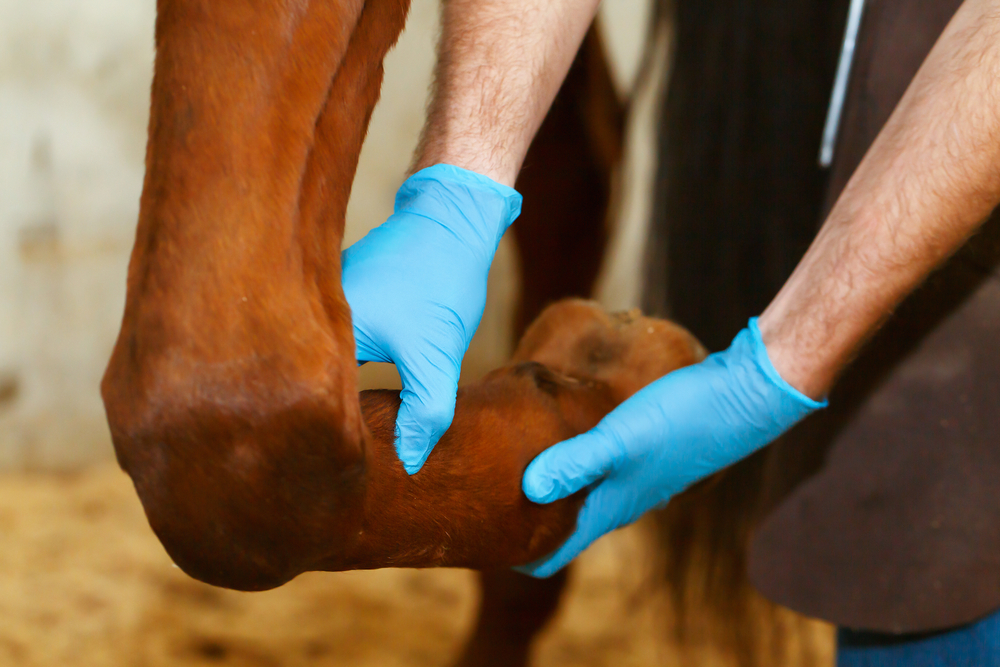
Joint issues in horses can affect comfort, movement, performance, and long-term soundness. A horse may show signs such as stiffness, swelling, heat around a joint, shortened stride, reluctance to work, or ongoing lameness. Because these symptoms can have several causes, getting an accurate diagnosis is an important first step.
At Chaparral Veterinary Medical Center in Cave Creek, we use advanced equine diagnostics and surgical care to better understand what is happening inside the joint and recommend the right treatment plan.
Equine arthroscopy is a minimally invasive surgical procedure that allows our veterinary team to look inside a horse’s joint using a small camera. Instead of making a large incision, the surgeon uses small entry points to view the joint structures in detail.
This approach can be both diagnostic and therapeutic. In many cases, arthroscopy helps us identify the source of pain and treat the problem during the same procedure.
Arthroscopy is often recommended when imaging, lameness exams, or clinical signs suggest a joint problem that needs a closer look. It can help diagnose issues that may not be fully visible with standard exams alone.
Arthroscopy may help identify:
By viewing the inside of the joint directly, our team can better understand the severity of the problem and whether surgical treatment is needed.
One of the biggest benefits of arthroscopy is that it can often treat the issue once it is found. For horses with bone chips, cartilage fragments, or damaged tissue, the procedure may allow the surgeon to remove or smooth affected areas with precision.
This can help reduce irritation inside the joint, improve comfort, and support a better recovery. Treatment recommendations depend on the horse’s age, activity level, joint involved, and the extent of the injury.
Joint problems in horses can worsen when they go untreated. A mild issue may become more painful over time, especially in performance horses or horses with demanding activity levels. Early diagnosis gives us a better chance to manage the condition before it causes more damage.
If your horse has persistent lameness, swelling, or changes in performance, an evaluation can help determine whether arthroscopy or another treatment option is appropriate.
Recovery depends on the joint, the diagnosis, and the type of treatment performed. Some horses need a period of stall rest, controlled hand-walking, medication, follow-up exams, and a gradual return to work.
Our team will create a recovery plan based on your horse’s specific needs. The goal is to support healing, reduce the risk of complications, and help your horse return to the best level of comfort and function possible.
For more information about equine arthroscopy and joint care, contact Chaparral Veterinary Medical Center in Cave Creek, AZ by calling 480-595-8600.



…