Cave Creek, AZ 85331
span widget
span widget

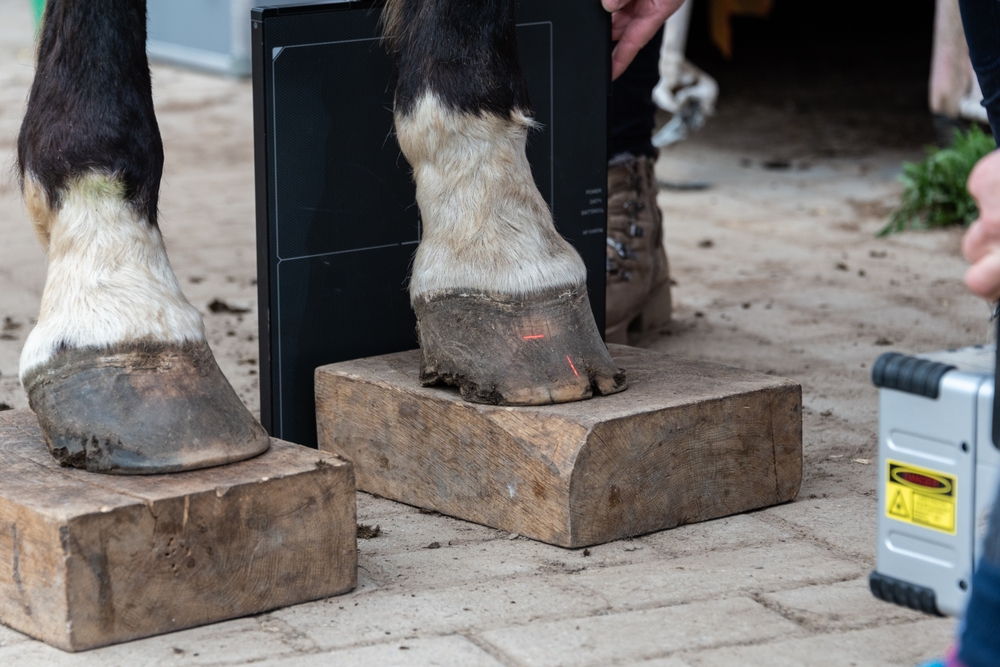
Hoof pain is one of the most common causes of lameness in horses. While some cases resolve with rest and corrective farriery, others require a deeper look to uncover the true source of the problem. At Chaparral Veterinary Medical Center, radiographs (X-rays) play a central role in equine podiatry, allowing us to see beyond the hoof wall and evaluate the structures within.
The hoof is a complex structure composed of bone, soft tissue, cartilage, laminae, and supportive structures - all encased within a rigid hoof capsule. Because much of this anatomy cannot be seen externally, diagnosing the source of pain can be challenging.
Common causes of hoof pain include:
Abscesses
Bruising
Laminitis
Navicular syndrome
Pedal bone (coffin bone) fractures
Sole depth issues
Chronic hoof imbalance
While some of these conditions can be suspected based on physical examination and hoof testing, imaging is often necessary to confirm the diagnosis and determine severity.
Radiographs are typically recommended when:
Lameness Persists or Recurs: If a horse remains lame after initial treatment or repeatedly becomes foot-sore, radiographs can reveal underlying structural issues that aren’t visible during a routine exam.
Laminitis Is Suspected: In cases of laminitis, radiographs are critical to assess rotation or sinking of the coffin bone. Early imaging allows for prompt intervention and provides a baseline for monitoring progress.
There’s Concern About Bone Injury: Fractures, bone remodeling, cysts, or degenerative changes within the coffin bone or navicular bone require imaging for confirmation.
Corrective Shoeing Is Needed: Radiographs help farriers and veterinarians work together by providing precise measurements of hoof angles, sole depth, and bone alignment. This collaboration ensures corrective trimming and shoeing are accurate and safe.
Hoof Capsule Distortion Is Present: Chronic long toes, underrun heels, or asymmetrical hooves can alter internal structures. Radiographs show how the bones align within the hoof capsule, guiding corrective strategies.
Radiographs provide a detailed view of:
Coffin bone position and angle
Navicular bone condition
Sole thickness
Joint spaces
Signs of infection or inflammation affecting bone
This information allows veterinarians to move beyond symptom management and develop targeted treatment plans. For example, knowing the degree of coffin bone rotation in a laminitic horse directly influences trimming protocols, therapeutic shoe selection, and recovery expectations.
Radiographs also create an objective record. By comparing follow-up images over time, we can evaluate healing, adjust treatment, and ensure that corrective measures are working as intended.
Delaying imaging can allow certain conditions to worsen. In laminitis cases, for example, structural changes may progress without visible external signs. Early radiographs help detect problems before they become catastrophic.
Additionally, imaging often prevents unnecessary trial-and-error treatments. Instead of guessing at the cause of lameness, radiographs provide clarity - saving time, reducing discomfort, and supporting more efficient recovery.
When lameness persists, recurs, or presents with concerning symptoms, radiographs provide critical insight into the structures hidden within the hoof capsule. Our experienced veterinary team is committed to providing advanced diagnostic tools and comprehensive podiatry care to keep your horse sound, comfortable, and performing at their best.
If you’re concerned about your horse’s hoof health or ongoing lameness, contact Chaparral Veterinary Medical Center to schedule an evaluation. Visit our facility in Cave Creek, Arizona, or call (480) 595-8600 to book an appointment today.



…