Cave Creek, AZ 85331
- Home
- About Us
-
Services
- Ambulatory/Preventive Medicine
- Geriatric Medicine
- Vaccinations
- Wellness
- Dentistry
- Health Certificate/Coggins
- Sports Medicine
- Ancillary Testing
- Lameness
- Pre-Purchase Exams
- Emergency and Critical Care
- Internal Medicine
- Isolation Facility
- Neonatal Care
- Surgery
- Arthroscopy
- Laparoscopy
- Orthopedics
- Soft tissue
- Upper Respiratory
- Laser
- Standing Surgery
- Electrochemotherapy
- Diagnostic Imaging
- Radiology
- Myelography
- Nuclear Scintigraphy
- Ultrasound
- Endoscopy
- MRI
- Gastroscopy
- Dynamic Endoscopy
- Regenerative Medicine
- Stem Cells
- Pro-Stride
- PRP
- IRAP
- BMAC
- Shockwave
- Cold Laser Therapy
- Laboratory/Pharmacy
- Oncology
- Electrochmotherapy
- Chemotherapy Injections
- Melanoma Vaccination
- Laser/Surgical Excision
- Ophthalmology
- Podiatry
- Companion Animal Care
- Client Resources
- Education
- Contact Us
- Home
- About Us
-
Services
- Ambulatory/Preventive Medicine
- Geriatric Medicine
- Vaccinations
- Wellness
- Dentistry
- Health Certificate/Coggins
- Sports Medicine
- Ancillary Testing
- Lameness
- Pre-Purchase Exams
- Emergency and Critical Care
- Internal Medicine
- Isolation Facility
- Neonatal Care
- Surgery
- Arthroscopy
- Laparoscopy
- Orthopedics
- Soft tissue
- Upper Respiratory
- Laser
- Standing Surgery
- Electrochemotherapy
- Diagnostic Imaging
- Radiology
- Myelography
- Nuclear Scintigraphy
- Ultrasound
- Endoscopy
- MRI
- Gastroscopy
- Dynamic Endoscopy
- Regenerative Medicine
- Stem Cells
- Pro-Stride
- PRP
- IRAP
- BMAC
- Shockwave
- Cold Laser Therapy
- Laboratory/Pharmacy
- Oncology
- Electrochmotherapy
- Chemotherapy Injections
- Melanoma Vaccination
- Laser/Surgical Excision
- Ophthalmology
- Podiatry
- Companion Animal Care
- Client Resources
- Education
- Contact Us
Common Signs Your Horse May Need Internal Medicine Care

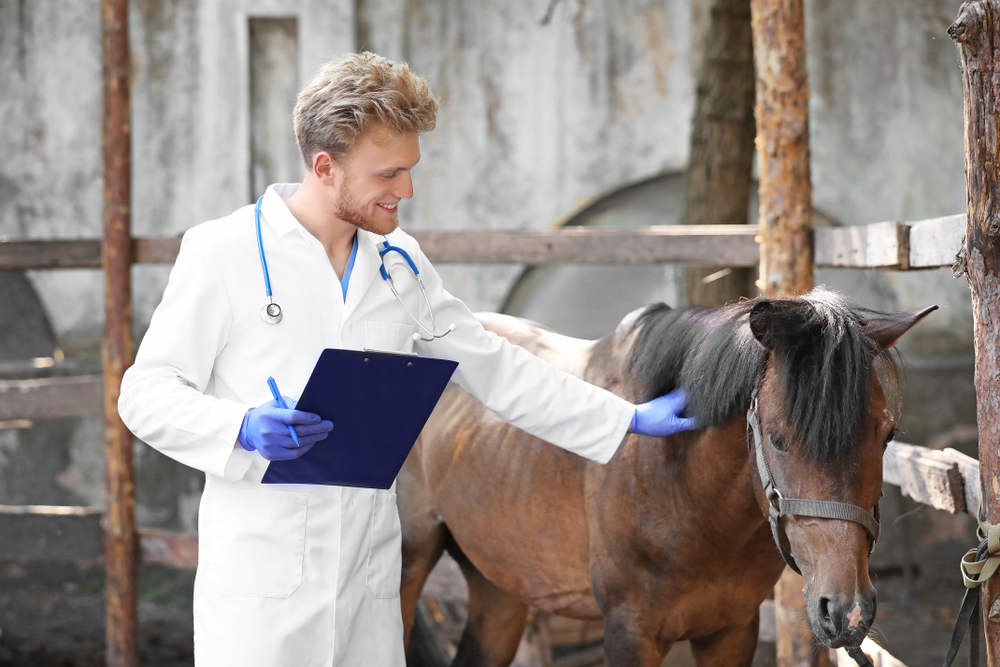
When a horse is not acting like itself, the cause is not always obvious. Some problems involve more than routine wellness care and may call for equine internal medicine. Changes in appetite, energy, weight, breathing, or performance can point to deeper health concerns that need a closer look. At Chaparral Veterinary Medical Center, internal medicine care supports the diagnosis and management of gastrointestinal, respiratory, muscular, nervous system, circulatory, kidney, bladder, liver, endocrine, and infectious conditions in horses.
Subtle Changes Can Be Early Warnings
One of the most common signs that a horse may need internal medicine care is a gradual change in overall attitude or condition. A horse that seems less interested in feed, loses weight, tires more easily, or does not perform as expected may be showing early signs of an underlying illness. These issues can be easy to dismiss at first, but subtle problems are often worth evaluating before they become more serious.
Digestive And Appetite Problems Should Not Be Ignored
Ongoing digestive issues can also signal the need for further medical workup. Repeated mild colic episodes, poor appetite, changes in manure, weight loss, or a rough hair coat may suggest gastrointestinal disease or another internal issue affecting the horse’s health. When signs continue or return, a more advanced diagnostic approach may be the best next step.
Breathing, Stamina, And Performance Changes Matter
If a horse develops a cough, seems short of breath, struggles during exercise, or loses stamina, internal medicine care may help uncover the cause. Respiratory conditions, circulatory concerns, and other systemic problems can affect both comfort and athletic performance. A horse that suddenly seems off during work should not be assumed to have a training issue alone.
Other Signs To Watch For
Some warning signs are more obvious than others. It is a good idea to pay attention to:
- Weight loss without a clear reason
- Reduced energy or poor performance
- Changes in behavior or attitude
- Breathing changes or exercise intolerance
- Signs of infection or fever
- Ongoing issues in young foals or neonatal horses
Why A Thorough Evaluation Matters
Internal medicine cases often require more than a basic exam. Depending on the horse’s symptoms, evaluation may include ultrasound, endoscopy, neurologic exams, endocrine testing, nutritional consultation, biopsy, or close hospital monitoring. In some cases, intensive care or isolation may also be important, especially when infectious disease is a concern. Getting the right diagnosis helps guide the right treatment plan and can make a major difference in recovery and long-term management.
For equine internal medicine care, contact Chaparral Veterinary Medical Center to schedule an evaluation. Visit our facility in Cave Creek, Arizona, or call (480) 595-8600 to book an appointment today.
Common Signs Your Horse May Need Internal Medicine Care
Author:Chaparral Veterinary Medical CenterDate:2026-03-31When Hoof Pain Requires Imaging: The Role of Radiographs in Podiatry
Author:Chaparral Veterinary Medical CenterDate:2026-02-20What Is the Difference Between PRP and Pro-Stride?
Author:Chaparral Veterinary Medical CenterDate:2026-01-29Traveling With Your Horse: Coggins Test and Interstate Requirements
Author:Chaparral Veterinary Medical CenterDate:2025-12-23How Diagnostic Imaging Helps Diagnose Back or Pelvic Pain in Horses
Author:Chaparral Veterinary Medical Center Date:2025-10-28How to Prepare for Your Pet’s Oncology Consultation
Author:Chaparral Veterinary Medical CenterDate:2025-09-22The Dangers of Skipping Early Vaccines in Young Pets
Author:Chaparral Veterinary Medical CenterDate:2025-08-27Caring for Newborn Puppies: First Weeks Are Critical
Author:Chaparral Veterinary Medical CenterDate:2025-07-22Minimally Invasive, Maximum Precision: Inside Endoscopic Laser Surgery for Pets
Author:Date:2025-06-25Is an MRI the Right Choice for Your Horse’s Lameness Diagnosis?
Author:CAHOSPDate:2025-05-20What Signs Should I Look for That Indicate My Pet Might Have Dental Issues?
Author:CAHOSPDate:2025-04-10Laparoscopy Surgery vs. Traditional Surgery for Large Pets: What’s the Difference?
Author:CAHOSPDate:2025-03-19Equine Cancer Treatments: How Chemotherapy and Electrochemotherapy Are Shaping Modern Veterinary Care
Author:CAHOSPDate:2025-02-20Top Strategies for Easing Your Dog's Anxiety During Vet Visits
Author:CAHOSPDate:2025-01-14Why Spaying and Neutering Is Essential for Your Pet’s Health
Author:CAHOSPDate:2024-12-02How to Prepare Your Pet for a Successful Surgery
Author:CAHOSPDate:2024-11-20Understanding Horse Vaccinations: What You Need to Know
Author:CAHOSPDate:2024-10-30Advances in Equine Medicine: How Stem Cell Therapy Promotes Healing in Horses
Author:Chaparral Veterinary Medical CenterDate:2024-10-01Innovative Treatments for Equine Lameness: From Regenerative Medicine to Corrective Shoeing
Author:Chaparral Veterinary Medical CenterDate:2024-08-30Top Reasons Why Your Horse Needs a Dental Checkup
Author:Chaparral Veterinary Medical CenterDate:2024-07-25How Often Do Horses Need Wellness Exams?
Author:Chaparral Veterinary Medical CenterDate:2024-06-28Equine Oncology: A Guide for Horse Owners
Author:Chaparral Veterinary Medical CenterDate:2024-05-24Tips for Managing Arthritis in Horses
Author:Chaparral Veterinary Medical CenterDate:2024-04-11How Shockwave Therapy Benefits Your Pet's Health
Author:Chaparral Veterinary Medical CenterDate:2024-03-27The Importance of Ophthalmology in Veterinary Care
Author:Chaparral Veterinary Medical CenterDate:2024-02-06A Guide to Ensuring Your Pet's Wellbeing Before Surgery
Author:Date:2024-01-23Danger Zone: Common Household Items That Pose a Threat to Pets
Author:Chaparral Veterinary Medical CenterDate:2023-12-06Pro-stride for Equine Arthritis Treatment
Author:Date:2023-12-01What Parasites are Most Common in Puppies?
Author:Date:2023-10-16Do Horses Need to Get Spayed/Neutered?
Author:Date:2023-09-19What Diseases Can Ticks Transfer to Dogs?
Author:Chaparral Veterinary Medical CenterDate:2023-08-21Most Common Types of Equine Surgeries
Author:Date:2023-07-28What Is a Coggins Health Certificate?
Author:Date:2023-06-20Qualities to Look for in an Equine Veterinarian
Author:Chaparral Veterinary Medical Center Date:2023-05-25The Importance of Flea/Tick Medication for Dogs
Author:Date:2023-05-05What Is Colic in Horses?
Author:Date:2023-03-13What to Know About Arthroscopy in Horses
Author:Date:2023-02-22What Age Should My Dog Get Spayed/Neutered?
Author:Date:2023-01-25Foods to Keep Away from Pets This Christmas
Author:Date:2022-12-14Taking Care of a Senior Horse
Author:Date:2022-11-21What to Do After Adopting a Dog
Author:Date:2022-10-21Geriatric Care for Horses: What Changes As They Get Older?
Author:Date:2022-09-12Most Frequently Asked Questions About Microchipping Pets
Author:Chaparral Veterinary Medical CenterDate:2022-08-24How to Tell If Your Pet Is Dehydrated
Author:Chaparral Veterinary Medical CenterDate:2022-07-20How to Protect Your Pets From Heat
Author:Chaparral Veterinary Medical CenterDate:2022-06-07Tips to Improve Your Horse's Health
Author:Chaparral Veterinary Medical Center Date:2022-05-03How to Choose the Right Vet for Your Horse
Author:Chaparral Veterinary Medical CenterDate:2022-04-04Common Equine Emergencies and What to Do
Author:Date:2022-03-22How Should Dehydration in Horses Be Treated?
Author:Date:2022-02-11What Does Pigeon Fever Look Like in a Horse?
Author:Date:2022-01-26What Does a Pre-Purchase Examination (PPE) Entail?
Author:Date:2021-12-14How Long Does It Take for a Horse to Recover From Dehydration?
Author:Date:2021-11-30How to Care for Your Pet After Surgery
Author:Date:2021-11-04What are the Symptoms of Kidney Failure in Horses?
Author:Date:2021-09-17What Are The Benefits Of Acupuncture For Pets?
Author:Date:2021-08-05How Does Veterinary Acupuncture Work?
Author:Date:2021-07-27What Are the Symptoms of Dehydration in Dogs?
Author:Date:2021-06-29How to Prevent Lyme Disease in Pets
Author:Date:2021-05-28Top Signs That Your Dog May Have Heartworms
Author:Date:2021-04-30Top Items That Are Poisonous to Pets
Author:Date:2021-03-31The Health Dangers of Poor Pet Dental Hygiene
Author:Date:2021-02-28Four Health Benefits of Walks with Your Dog
Author:Date:2021-01-28Health Risks of Poor Pet Exercise
Author:Date:2020-12-31Top Tips on How to Care for Your Senior Pets
Author:Date:2020-11-30The Importance of Wellness Exams for Pets
Author:Date:2020-10-31Animal Pain Awareness: Top Signs to Watch Out For!
Author:Date:2020-09-30Core Abdominal Muscle Rehab
Author:Date:2020-09-04Why Regular Pet Dental Cleanings Are Important
Author:Date:2020-08-31Signs and Symptoms of Dehydration in Horses
Author:Date:2020-08-04Summer Is Here! Avoiding Heatstroke in Dogs
Author:Date:2020-06-30Why is Heartworm Prevention Important?
Author:Date:2020-05-31Why Annual Wellness Exams for Horses are Important
Author:Date:2020-04-16Signs and Symptoms of Pet Poisoning
Author:Date:2020-03-26The Importance of Dental Care for Cats and Dogs
Author:Date:2020-03-10Why you should spay/neuter your pet
Author:Date:2020-02-05Top Travel Tips for your Pets
Author:Date:2020-01-14Holiday Pet Safety Tips
Author:Date:2019-11-21What makes a good racehorse?
Author:Date:2019-11-01How to prepare your horse for the racing season in Cave Creek, AZ
Author:Date:2019-10-08Peritonitis in Horses : All you Need to Know
Author:Date:2019-09-04Is It Safe to Microchip Your Pet? | Cave Creek, AZ
Author:Date:2019-07-31Hot Weather Safety Tips for your Pet
Author:Date:2019-06-28Pet Emergencies – Tips For Owners and What Should Be On Your Checklist |Cave Creek, AZ
Author:Date:2019-05-28Benefits of an Arthroscopy
Author:Date:2019-05-07Equine Dentistry
Author:Date:2019-03-22Equine Nutrition - The Nutritional Needs of Large Animals
Author:Date:2019-02-18How Do I Know If My Pet Needs Vaccinations?
Author:Chaparral Veterinary Medical CenterDate:2019-01-17Top Dog Toys for Teething Puppies
Author:Chaparral Veterinary Medical CenterDate:2018-12-318 Signs To Take Your Senior Cat To The Emergency Animal Clinic
Author:Chaparral Veterinary Medical CenterDate:2018-11-30Peritonitis
Author:Chaparral Veterinary Medical CenterDate:2018-11-08Choosing the Right Equine Vet
Author:Chaparral Veterinary Medical CenterDate:2018-10-30Chronic Kidney Disease in the Horse
Author:Chaparral Veterinary Medical CenterDate:2018-10-09Benefits of Microchipping
Author:Chaparral Veterinary Medical Center Date:2018-09-30Pelvic Fractures
Author:Chaparral Veterinary Medical CenterDate:2018-09-07What to Do if Your Pet Gets Lost
Author:Chaparral Animal HospitalDate:2018-08-23Enteroliths
Author:Chaparral Animal HospitalDate:2018-08-07How to choose the right horse
Author:Chaparral Animal HospitalDate:2018-07-31Preventing Lameness in Horses
Author:Chaparral Animal HospitalDate:2018-06-29Strangles
Author:Chaparral Animal HospitalDate:2018-06-07Corynebacterium pseudotuberculosis (AKA Pigeon Fever)
Author:Chaparral Animal HospitalDate:2018-06-06What vaccines does my horse really need?
Author:Chaparral Animal HospitalDate:2018-05-30How to Kitten-proof Your House
Author:Chaparral Animal HospitalDate:2018-04-27Uroperitoneum
Author:Chaparral Animal HospitalDate:2018-04-03Hoof Care for Horses
Author:Chaparral Veterinary Medical CenterDate:2018-03-30Bugs and Drugs! Parasite control for horses
Author:Chaparral Veterinary Medical CenterDate:2018-03-08Rhodococcus equi
Author:Chaparral Animal HospitalDate:2018-03-06What to Feed Older Dogs
Author:Chaparral Veterinary Medical CenterDate:2018-02-24How to form a closer bond with your pet
Author:Chaparral Veterinary Medical CenterDate:2018-01-19Why is my cat vomiting?
Author:Chaparral Veterinary Medical CenterDate:2017-12-15Causes of weight loss in pets
Author:Chaparral Veterinary Medical ClinicDate:2017-11-21The Importance of Pet Vaccines
Author:Chaparral Veterinary Medical ClinicDate:2017-10-17Hernias in Horses
Author:Chaparral Animal HospitalDate:2017-09-19Tips on Feeding Your Horse
Author:Chaparral Veterinary Medical CenterDate:2017-08-15Equine Podiatry in Cave Creek
Author:Chaparral Veterinary Medical CenterDate:2017-07-12
Monday 7:30 AM - 5:30 PM
Tuesday 7:30 AM - 5:30 PM
Wednesday7:30 AM - 5:30 PM
Thursday7:30 AM - 5:30 PM
Friday 7:30 AM - 5:30 PM
Saturday 8:00 AM - 2:00 PM
Sunday Closed