Cave Creek, AZ 85331
span widget
span widget

Maintaining joint health and soundness is critical for horses at every level, from pleasure mounts to elite athletes. Regenerative therapies have become an important part of modern equine care by helping manage inflammation and encourage tissue repair. Among these options, PRP and Pro-Stride are commonly used - but they serve distinct purposes depending on the horse’s condition.
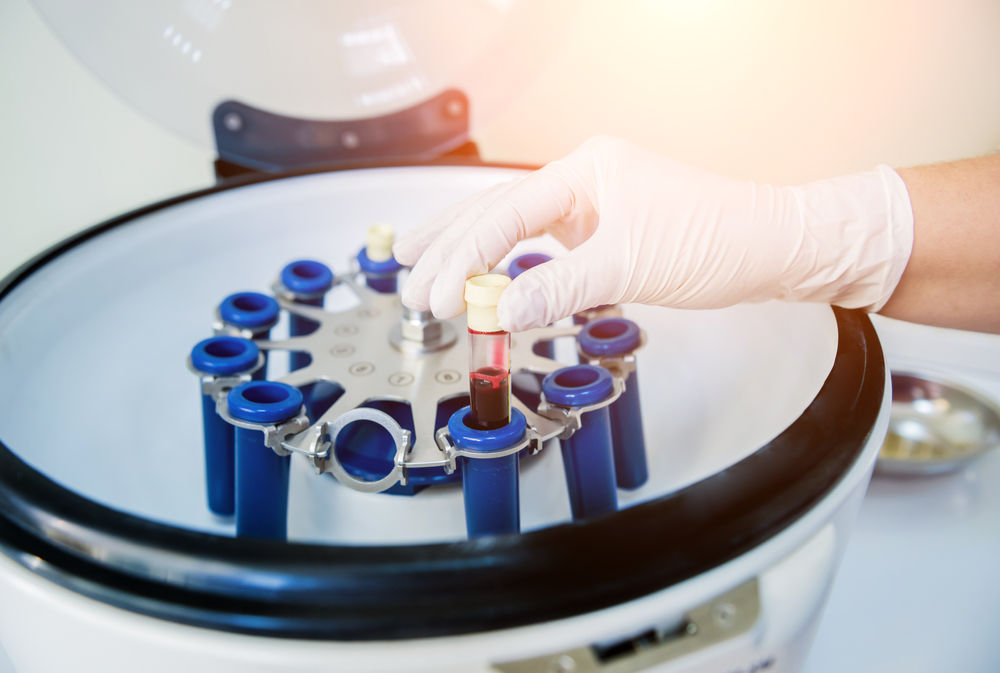
Platelet-Rich Plasma is one of the most commonly used regenerative therapies in equine orthopedics. To create PRP, a small sample of the horse’s blood is collected and spun in a centrifuge. This process separates and concentrates platelets into a smaller volume of plasma.
Platelets play a key role in healing because they release growth factors that encourage tissue repair and blood vessel formation. When PRP is injected into an injured tendon, ligament, or joint, these growth factors help improve the quality and speed of healing. PRP is frequently used for soft tissue injuries and can also be beneficial for certain joint conditions, particularly in earlier stages of disease.
Pro-Stride is a specialized, blood-based therapy designed primarily for joint health. Like PRP, it starts with a blood sample from the horse. However, the processing method is different. Pro-Stride concentrates anti-inflammatory proteins and naturally occurring growth factors that are especially effective at calming joint inflammation.
The final product is injected directly into the affected joint. Its primary goal is to reduce inflammatory processes within the joint, improve comfort, and support healthier joint function. Because it targets inflammation so effectively, Pro-Stride is often recommended for horses with osteoarthritis or chronic joint pain, especially when owners are looking for a non-drug, minimally invasive option.
While PRP and Pro-Stride are both autologous therapies (meaning they come from the horse’s own blood), their focus and ideal uses differ:
Primary action: PRP emphasizes tissue repair by delivering a high concentration of platelets and growth factors. Pro-Stride focuses more on reducing inflammation within the joint environment.
Common uses: PRP is frequently used for tendon and ligament injuries and select joint issues. Pro-Stride is most commonly used for joint inflammation and osteoarthritis.
Processing method: PRP is produced by concentrating platelets through centrifugation. Pro-Stride uses a proprietary system that enriches anti-inflammatory proteins and growth factors.
Treatment goals: PRP aims to improve healing quality and speed. Pro-Stride aims to improve joint comfort and function by addressing inflammation at its source.
There is no one-size-fits-all answer when it comes to regenerative therapies. PRP, Pro-Stride, and stem cell treatments each have unique benefits and applications. A thorough examination and diagnosis are essential to determine which therapy is most appropriate for your horse’s specific condition.
PRP and Pro-Stride are both valuable tools in modern equine medicine, but they serve different purposes. PRP is often selected to enhance healing in soft tissues and early joint issues, while Pro-Stride is designed to address joint inflammation and improve comfort in horses with osteoarthritis. These treatments give veterinarians more ways than ever to support soundness, performance, and quality of life in horses.
If you have questions about PRP, Pro-Stride, or other regenerative therapies, Chaparral Veterinary Medical Center is here to help. Contact us to schedule an evaluation and discuss which treatment options may be best for your horse’s needs. Visit our facility in Cave Creek, Arizona, or call (480) 595-8600 today.



…