Cave Creek, AZ 85331
span widget
span widget
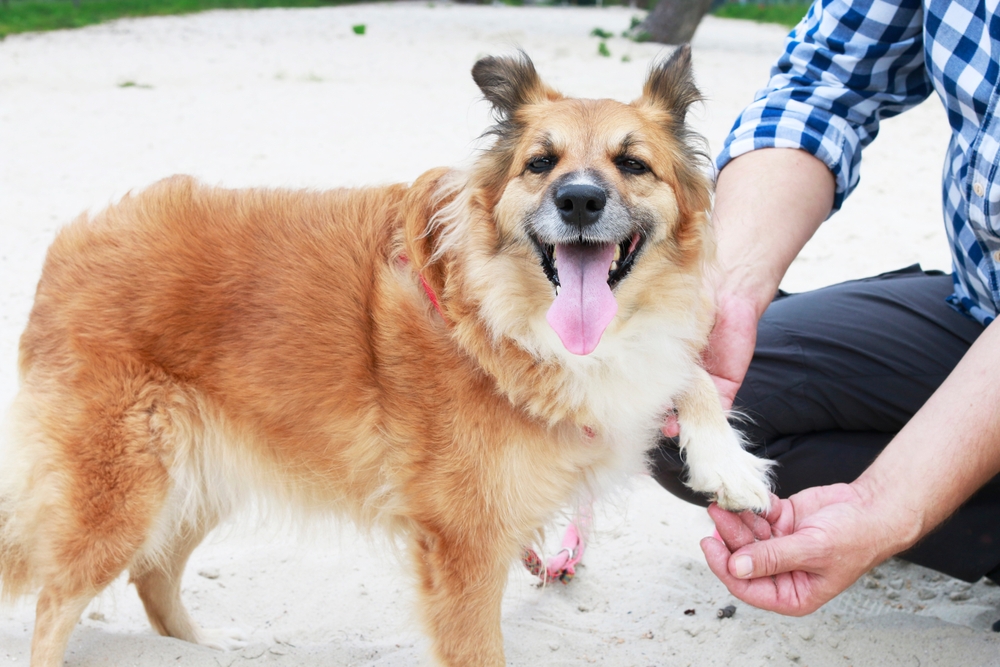
During summer in Cave Creek, pavement, gravel, sand, and packed dirt can become dangerously hot. Dogs and cats have sensitive paw pads that can develop painful thermal burns after contact with heated surfaces. Horses have thicker hoof structures, but dry, hard terrain can still contribute to sole bruising, hoof cracks, excessive wear, and lameness.
Surface temperature can be much higher than the surrounding air temperature. A walk, trail ride, or turnout session that feels manageable to a person may be uncomfortable or unsafe for an animal. Planning activities around cooler conditions is one of the simplest ways to prevent paw and hoof injuries.
Before walking a dog or leading a horse across pavement or another exposed surface, test the area carefully. Place the back of your hand against the ground for several seconds. If it feels too hot to hold comfortably, choose a shaded route, wait until later, or move the animal across a cooler surface.
Schedule walks and rides during the early morning or evening whenever possible. Keep in mind that pavement and rocky terrain can remain hot after the strongest sunlight has passed. Shade, grass, covered walkways, and well-maintained arena footing provide safer alternatives.
Consistent prevention can reduce the risk of burns, bruising, cracking, and other summer foot injuries:
Protective products should fit correctly and match the animal’s activity level. Poorly fitted boots can create pressure points, restrict movement, or trap debris.
Animals often show discomfort before an injury is easy to see. Dogs may limp, resist walking, lick their feet, or shift their weight. Paw pads may appear red, swollen, blistered, cracked, or unusually dark.
Horses may shorten their stride, become reluctant to turn, favor one limb, or show sudden lameness. Increased hoof warmth, a stronger digital pulse, sole sensitivity, cracks, or puncture wounds should be evaluated promptly.
Move an animal with a suspected burn to a cool, clean area. Cool water or a cold, wet towel can be placed over a burned area while contacting a veterinarian for guidance. Severe pain, open wounds, blistering, bleeding, or an inability to bear weight requires timely veterinary attention.
A brief inspection before and after outdoor activity can help identify problems early. Check each paw pad, between the toes, and around the nails. For horses, inspect the hoof wall, sole, frog, shoes, and coronary band. Keeping feet clean and dry also makes subtle changes easier to notice.
Schedule an evaluation with Chaparral Veterinary Medical Center in Cave Creek, AZ, at 480-595-8600 for concerns about paw burns, hoof injuries, or summer lameness.